

Blog
The Rise of Electric Scooter Batteries: Powering the Future of Urban Mobility


As cities worldwide embrace sustainable transportation, electric scooters have rapidly become one of the most popular choices for short-distance travel. Behind their smooth acceleration and long riding range lies a key component that drives the revolution — the lithium-ion battery.
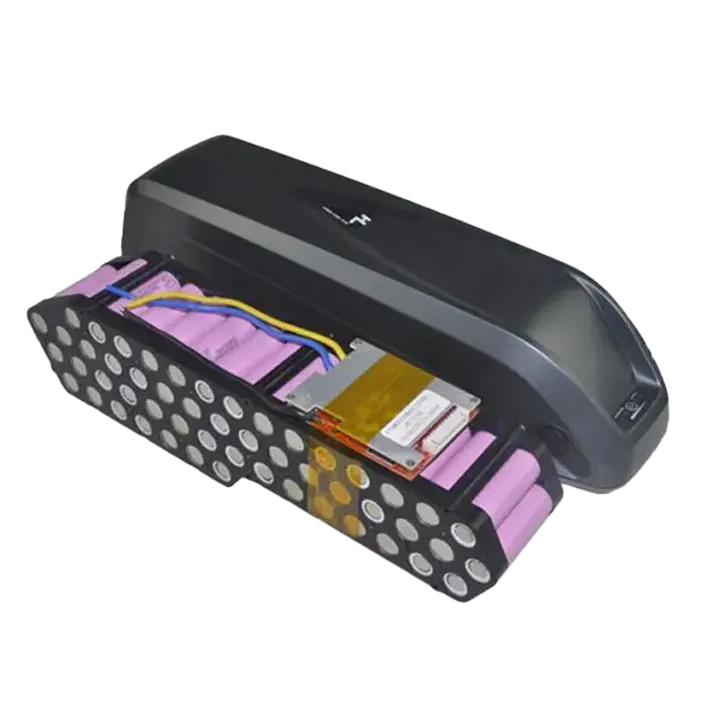
⚡ The Heart of Every Electric Scooter
The battery is the core power source of an electric scooter, determining how far it can travel, how fast it can charge, and how long it can last. Modern e-scooters are primarily equipped with high-energy-density lithium-ion batteries, known for their light weight, long cycle life, and high efficiency.
A standard scooter battery typically operates between 36V and 60V, with capacities ranging from 6Ah to over 30Ah, depending on the model and performance requirements.
🔋 Advances in Battery Technology
In recent years, manufacturers have made major breakthroughs in battery management systems (BMS) and cell chemistry optimization. These advancements enhance safety, extend lifespan, and allow for fast charging — a crucial factor for shared scooter fleets operating in dense urban environments.
Emerging technologies, such as solid-state batteries, promise even higher energy density and improved fire resistance, paving the way for the next generation of compact and reliable scooter power solutions.
🌍 Environmental and Economic Impact
Electric scooters powered by lithium-ion batteries are helping cities reduce carbon emissions and alleviate traffic congestion. Compared with traditional fuel-powered vehicles, e-scooters produce zero tailpipe emissions, consume less energy, and are far more cost-efficient for daily commuting.
Recycling and second-life battery applications are also gaining traction. Used scooter batteries can be repurposed for energy storage systems or low-power devices, supporting a more sustainable circular economy.
🔧 Industry Outlook
According to industry reports, the global e-scooter battery market is expected to grow at a compound annual rate of over 8% in the next five years. Demand is being driven not only by urban commuters but also by logistics companies and last-mile delivery services seeking efficient electric solutions.
As battery suppliers continue to develop high-performance, customizable, and intelligent power systems, electric scooters will become even safer, more powerful, and longer-lasting — empowering the future of green urban mobility.