

Understanding DC-DC Converters: The Core of Modern Power Electronics

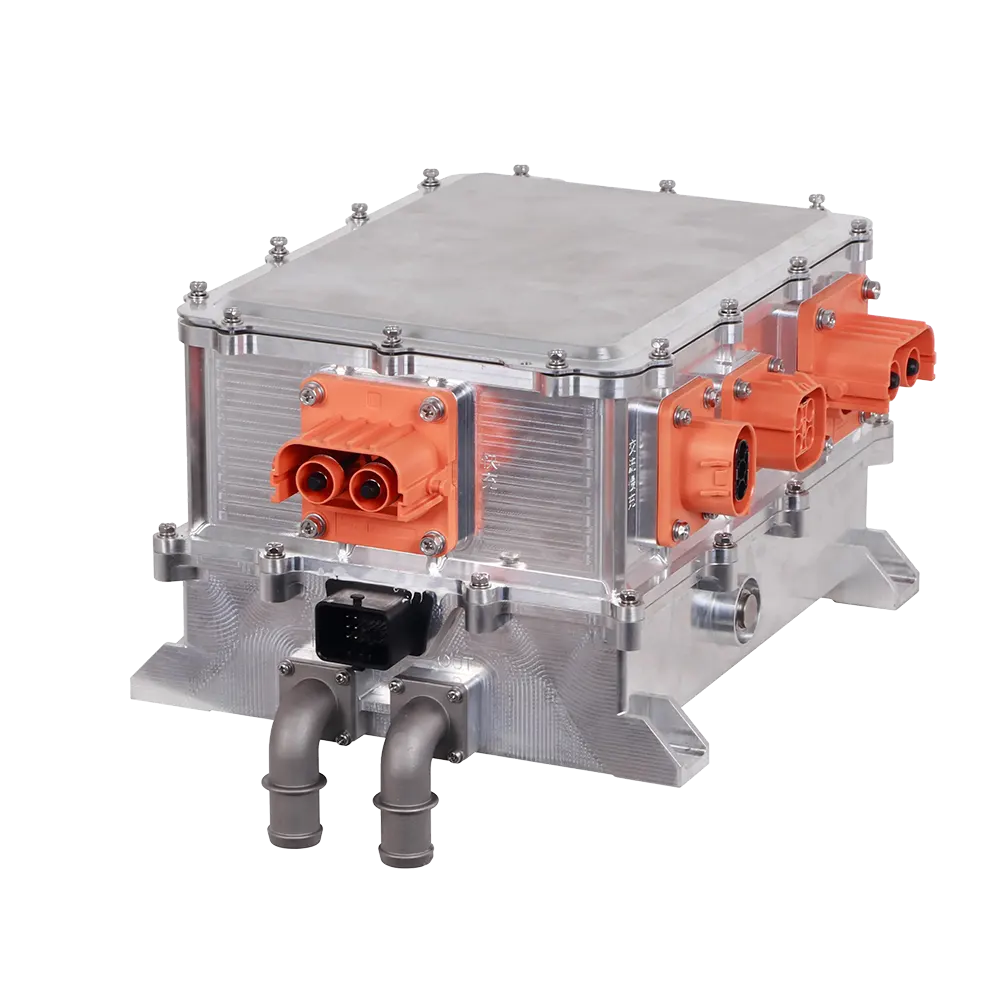
In today’s world of electronics and renewable energy, DC-DC converters are everywhere — from smartphone chargers and electric vehicles to solar power systems and industrial automation equipment. They play a vital role in managing and stabilizing electrical energy across different voltage levels.
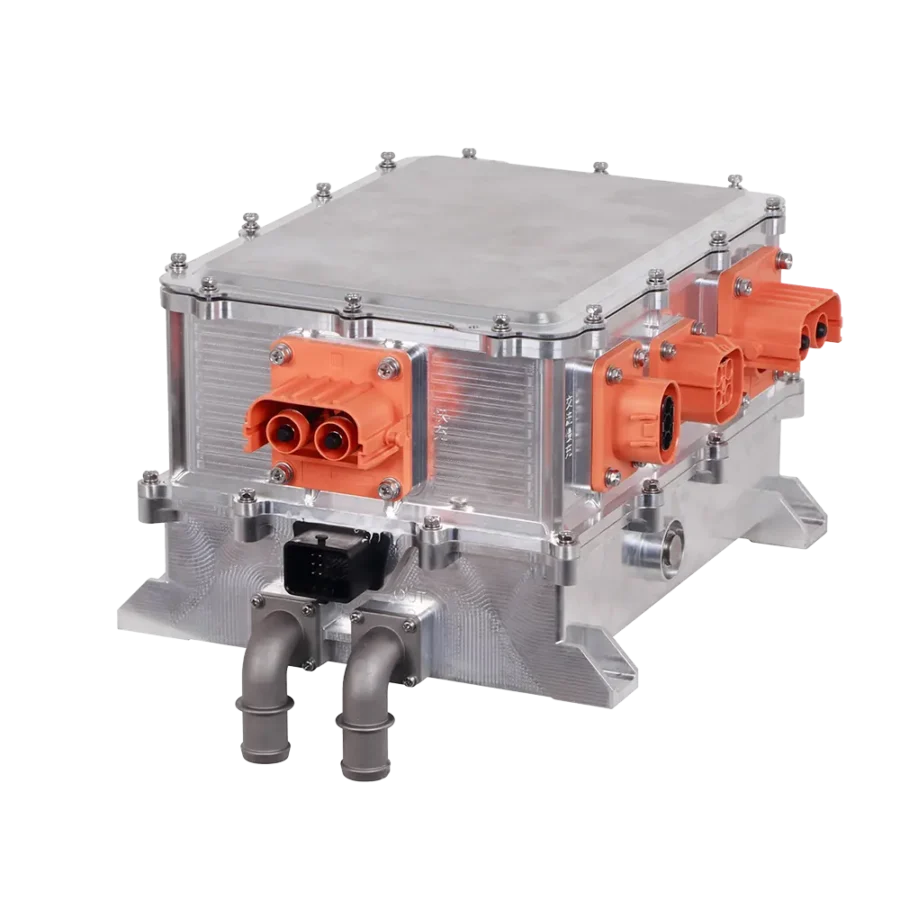
🔋 What Is a DC-DC Converter?
A DC-DC converter is an electronic circuit that converts one level of direct current (DC) voltage into another. In simple terms, it steps voltage down (Buck) or up (Boost) to meet the requirements of different electronic systems.
Common types include:
- Buck Converter (Step-Down) – Converts a higher DC voltage to a lower one (e.g., 12V → 5V).
- Boost Converter (Step-Up) – Increases a lower DC voltage to a higher one (e.g., 5V → 12V).
- Buck-Boost Converter – Can either step up or step down voltage as needed.
- Isolated DC-DC Converter – Uses a transformer for galvanic isolation between input and output, improving safety; often used in industrial and medical equipment.
⚙️ How Does a DC-DC Converter Work?
DC-DC converters operate using switching components (like MOSFETs) and energy storage elements (inductors and capacitors). The switch rapidly turns on and off, storing and releasing energy in the magnetic field of the inductor.
By adjusting the switching frequency or duty cycle, the converter controls the output voltage efficiently — often achieving over 90% efficiency with minimal heat loss.
🌍 Key Application Areas
DC-DC converters are essential in a wide range of applications, such as:
- Electric Vehicles (EVs): Converting high-voltage battery power (e.g., 400V) to low-voltage power (e.g., 12V) for control systems and lighting.
- Solar and Energy Storage Systems: Regulating photovoltaic output voltage and supporting maximum power point tracking (MPPT).
- Consumer Electronics: Providing proper voltage levels to different modules in smartphones, laptops, drones, and other portable devices.
- Industrial and Communication Equipment: Delivering stable DC power to PLCs, sensors, transmitters, and amplifiers.
⚡ Key Performance Parameters
When selecting a DC-DC converter, important specifications include:
- Input and output voltage range
- Output current and power
- Conversion efficiency
- Output ripple and noise
- Thermal design and compactness
🔧 Future Trends
As industries move toward electrification and intelligent energy management, DC-DC converter technology is evolving toward higher frequency, higher efficiency, smaller size, and smarter control.
Advanced materials like Gallium Nitride (GaN) and Silicon Carbide (SiC) are enabling new generations of converters with superior performance and energy efficiency.
Conclusion:
Though small in size, the DC-DC converter is the “brain” of power management systems. It determines how electrical energy is delivered efficiently, safely, and precisely. As electric vehicles, renewable energy, and smart electronics continue to grow, DC-DC converter technology will remain a cornerstone of modern power electronics.